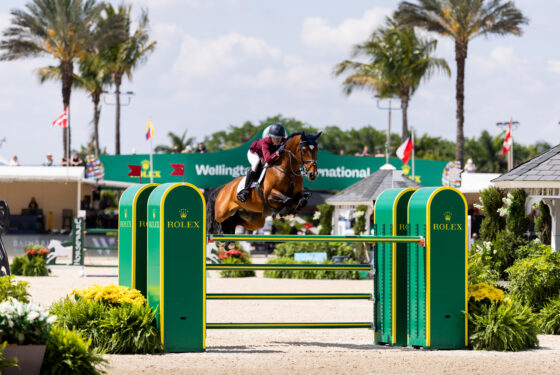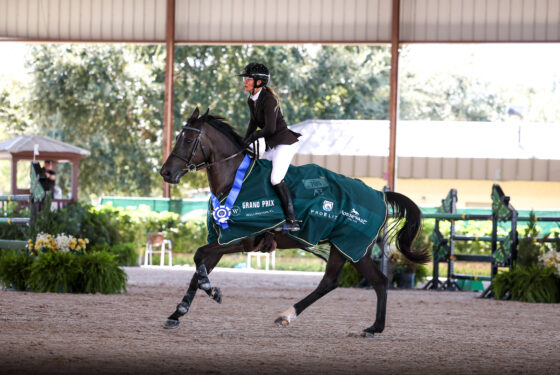



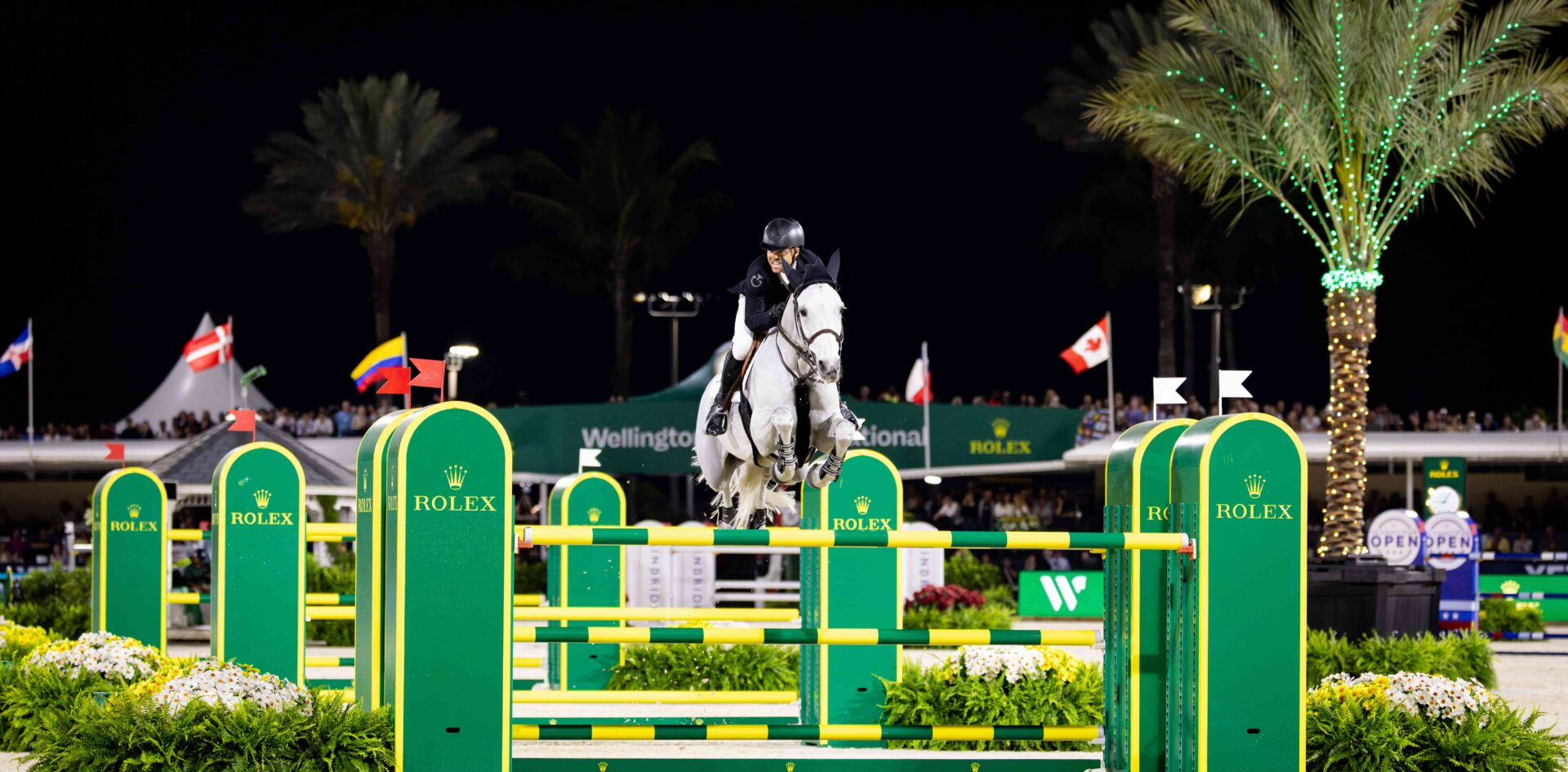

Wellington, Fla. – October 8, 2026— The 2026 Winter Equestrian Festival (WEF) generated $607.3 million (a 13% increase from 2025) to Palm Beach County’s gross domestic product (GDP) through spending by equestrians and visitors, according to a new economic impact study prepared for the Palm Beach County Sports Commission. The 2026 numbers highlight a $1.5 billion impact on the county over the last three years.
The annual 13-week competition held at Wellington International welcomes riders, owners, trainers and visitors from across the United States and around the world. Together, these visitors generated $362.8 million in direct spending, supported 5,586 jobs and produced $174.9 million in labor earnings across Palm Beach County.
How the Winter Equestrian Festival compares to other major South Florida sporting events:
| Sporting Event | 2026 Economic Impact | County |
| Winter Equestrian Festival | $607.3 million | Palm Beach |
| F1 Miami Grand Prix | $550 million (estimated) | Miami-Dade |
| CFP National Championship | $210.1 million | Miami-Dade |
| MLB Spring Training | $77 million | Palm Beach |
| Cognizant Classic | $40 million | Palm Beach |
Horse-related spending represented the largest share of WEF’s economic impact. Nonresident participants directly spent $230.7 million on expenses, which included stabling, feed, training, farrier and veterinary services, equipment, horse transportation and other equestrian needs. That spending generated a total GDP impact of $379.3 million, supported 3,583 jobs and produced $110.2 million in labor earnings.
Direct horse-related spending increased 12.3% from $205.4 million in 2025 to $230.7 million in 2026. Since 2021, the total GDP impact associated with horse expenditures has grown more than 71%.
Additional findings in the report include:
- Spectators reported a strong connection to the event. Approximately 96% rated their WEF experience as “Enjoyable” or “Very Enjoyable”.
- WEF participants and spectators generated 172,899 paid room nights for Palm Beach County’s lodging industry.
- The average weekly spending per horse increased from $3,860 in 2025 to $4,381 in 2026.
- Every category of direct horse-related spending increased between 2025 and 2026.
- Nonresident participants stayed an average of 2.2 months or 61 nights.
- The average participant party included 2.54 people.
Tourism spending by nonresident WEF participants also contributed significantly to the local economy. Participants directly spent $66.3 million on lodging, dining, groceries, entertainment, shopping and transportation ($3 million more than in 2025).
| 2025 Total GDP Expenditures | 2026 Total GDP Expenditures | |
| Nonresident Participant Horse Expenditures | $338.6 million | $379.3 million |
| Nonresident Participant Tourist Expenditures | $109.6 million |
$114.4 million |
| Nonresident Spectator Tourist Expenditures | $88 million | $113.6 million |
| Total | $536.2 million | $607.3 million |
“Over the past three years, the Winter Equestrian Festival has contributed more than $1.5 billion to Palm Beach County’s GDP, demonstrating that WEF is not only an internationally recognized sporting event but also a proven economic powerhouse for our region,” said Michael Stone, President of Wellington International. “For 13 weeks each year, we welcome athletes, their support teams and visitors from around the world, generating sustained demand for local businesses and supporting thousands of jobs. We take that responsibility seriously. These findings illustrate the far-reaching value of international equestrian sport and reinforce our commitment to strengthening the local economy while maintaining Wellington’s position as a premier global equestrian destination.”
Each year, participants and visitors are encouraged to fill out the Economic Impact Questionnaire and are rewarded with prizes and experiences. This information is vital to understanding the Winter Equestrian Festival’s impact on Palm Beach County. To read the full report, click here.